The Henry Ford + MSU Cancer Committee brings together experts from Henry Ford Health and Michigan State University to guide and strengthen the partnership’s cancer initiatives. The committee offers oversight, advises on priorities, and helps ensure that efforts are coordinated, effective, and aligned with institutional and NCI goals.
Jeffrey MacKeigan, Ph.D.
Co-Chair | Michigan State University
Jeffrey MacKeigan, Ph.D., is a senior advisor for Michigan State University Office of Research and Innovation. He also serves as a senior fellow for research infrastructure in the Office of Research and Innovation, and professor in the Department of Pediatrics and Human Development in the MSU College of Human Medicine. MacKeigan holds a bachelor’s degree in molecular, cellular and developmental biology from the University of Colorado and earned a Ph.D. in microbiology and immunology from the University of North Carolina Medical School at the Lineberger Comprehensive Cancer Center. He completed his post-doctoral training at Harvard Medical School with fellowship funding from the American Cancer Society.
.webp?h=245&iar=0&w=175)
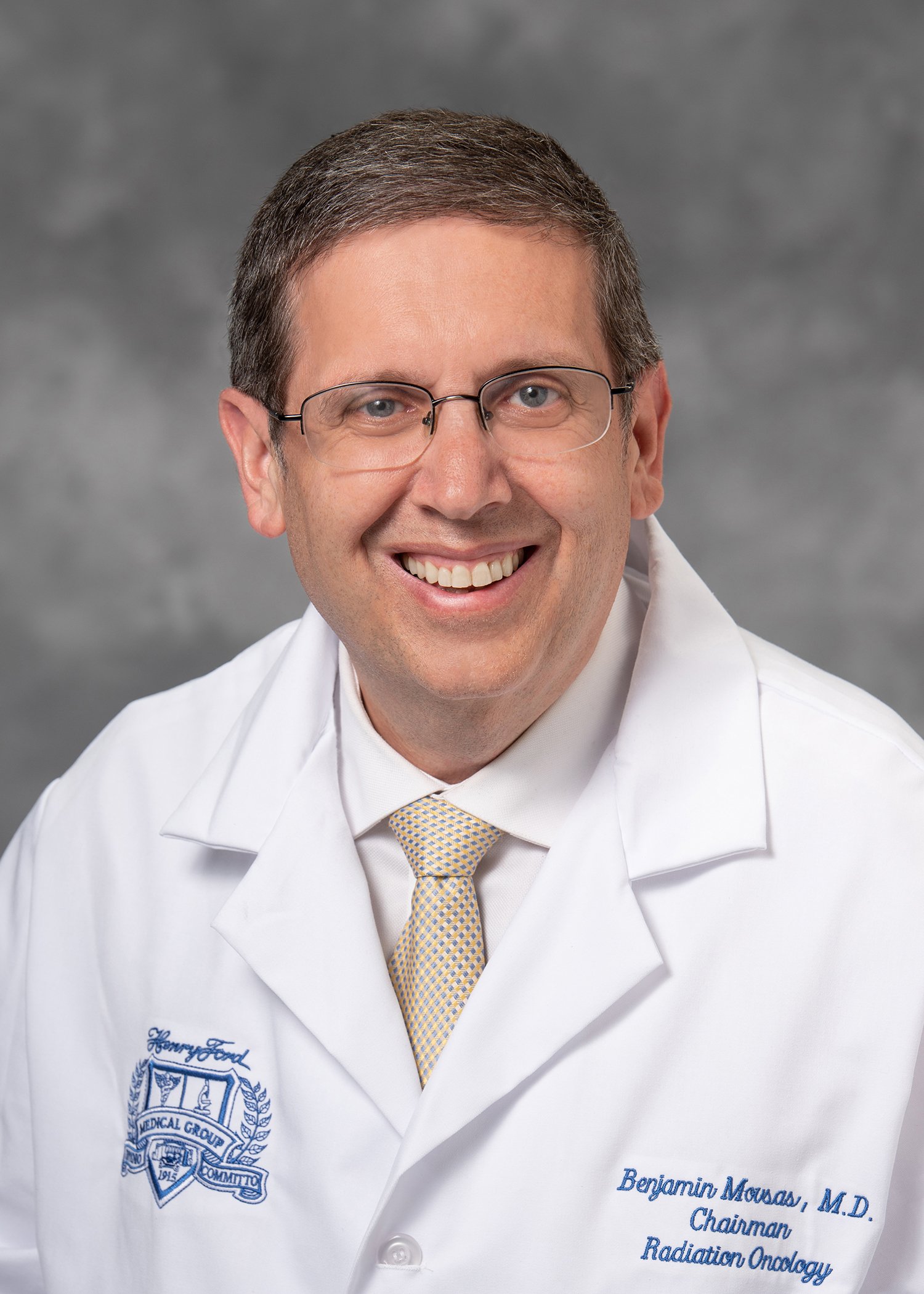
Benjamin Movsas, M.D.
Co-Chair | Henry Ford Health
Benjamin Movsas, M.D., serves as medical director of system-wide cancer services and chair of radiation oncology at Henry Ford Health. Movsas is a leading national expert in radiation oncology, stereotactic radiation, lung cancer, prostate cancer, and quality of life issues pertaining to cancer. He received his undergraduate degree from Harvard University and his medical degree from Washington University, MO. He completed fellowship training at Johns Hopkins Hospital and the National Institutes of Health.
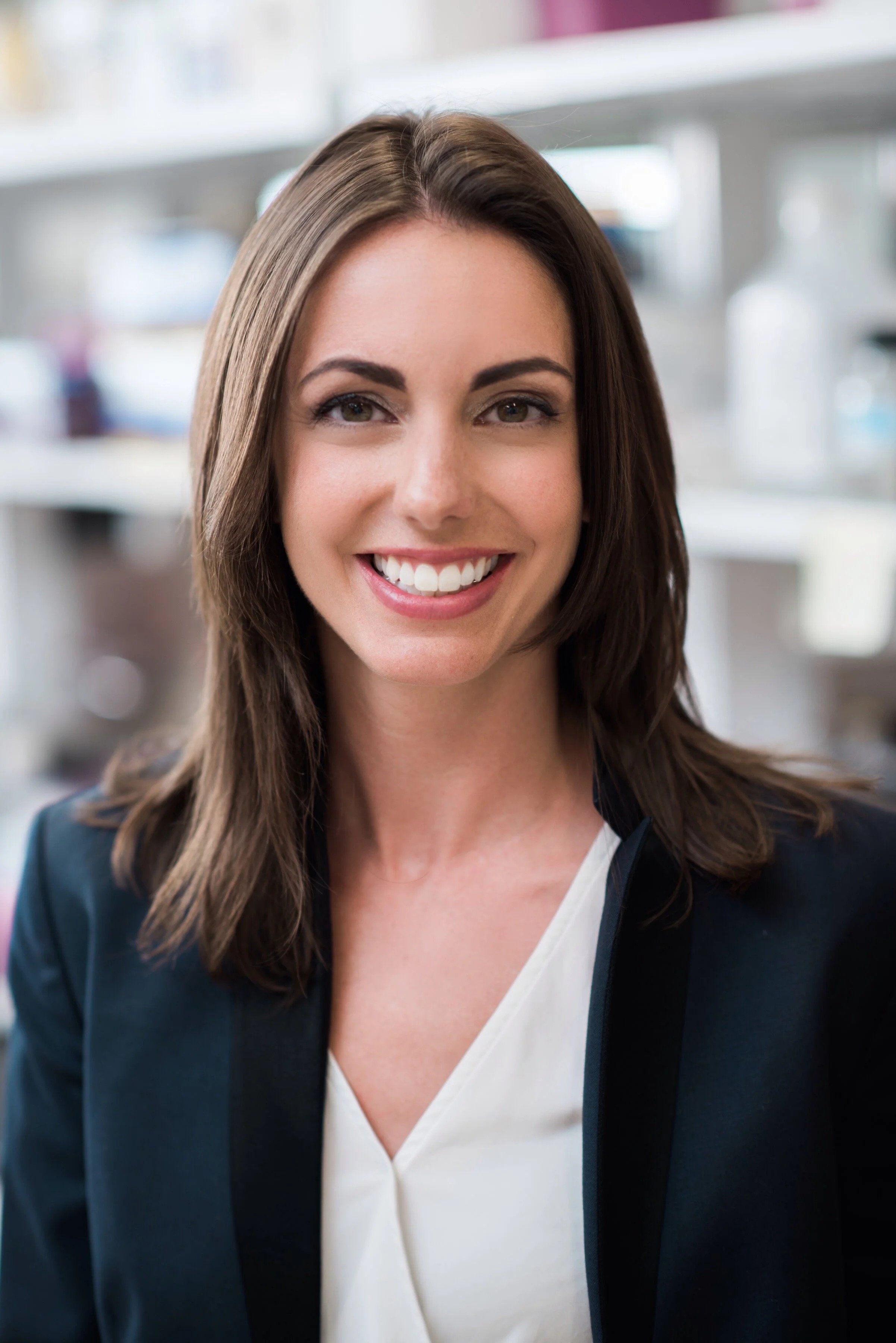
Jamie Bernard, Ph.D.
Michigan State University
Jamie Bernard, Ph.D., is an associate professor in the Department of Pharmacology and Toxicology, and the Department of Medicine, Division of Dermatology at Michigan State University. Her research focuses on toxicological effects in daily life that can trigger the formation of cancer. Bernard received her Ph.D. in toxicology at the University of Rochester. Prior to joining MSU, she completed postdoctoral training at the University of California, San Diego and Rutgers University.
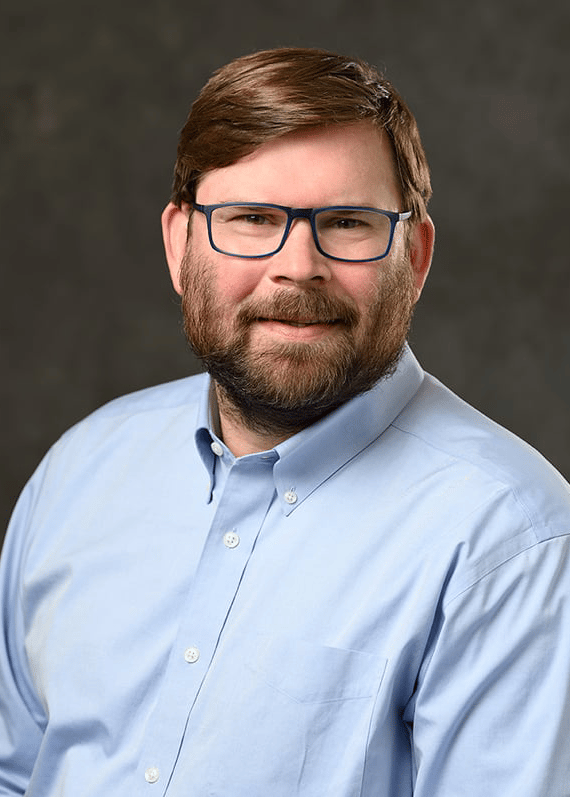
Ronald Chandler, Ph.D.
Michigan State University
Ronald Chandler, Ph.D., is an associate professor in the Department of Obstetrics, Gynecology and Reproductive Biology at the Michigan State University College of Human Medicine and adjunct assistant professor at the Van Andel Research Institute. He is passionate about training the next generation of scientists and clinicians and works hard to ensure their future successes. Chandler still works in the lab and spends his free time working on his hobby farm. Chandler received his B.S. in biology at Tennessee Technological University, Cookeville, Tennessee, and his Ph.D. in molecular physiology and Biophysics from Vanderbilt University, Nashville, Tennessee. Chandler did his postdoctoral research in the laboratory of Dr. Terry Magnuson at the University of North Carolina at Chapel Hill.
Clara Hwang, M.D.
Henry Ford Health
Clara Hwang, M.D., is a medical oncologist with special interests in cancer of the prostate, bladder, kidney and testes. She is a graduate of the University of Michigan’s School of Medicine program. After her graduation, Hwang completed her residency in internal medicine and fellowship in hematology/oncology at the University of Michigan. She is board-certified by the American Board of Internal Medicine in internal medicine and medical oncology. Hwang is currently involved in research on why prostate cancer is resistant to chemotherapy and the genes that cause varied responses to docetaxel (a type of chemotherapy medication).
David Kwon, M.D.
Henry Ford Health
David Kwon, M.D., is a board-certified surgeon and fellowship-trained surgical oncologist. He received his undergraduate degree in biological sciences from Columbia University and earned his medical degree from the University of California, San Diego. He completed his residency in general surgery at Henry Ford Hospital, where he received multiple research and clinical awards. He completed a surgical oncology fellowship at the University of Texas, M.D. Anderson Cancer Center, where he developed clinical expertise in the multidisciplinary care of cancer patients. Kwon’s clinical interest is in the multidisciplinary management of solid tumors.
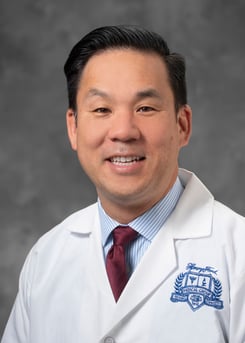
Christine Neslund-Dudas, Ph.D.
Henry Ford Health
Neslund-Dudas, Ph.D., is an associate scientist in the Department of Public Health Sciences at Henry Ford Health and co-leader of the Cancer Epidemiology, Prevention and Control Program at the Henry Ford Cancer Institute. Her research focuses on reducing disparities in cancer and cancer care. For the past ten years, her work has primarily been in lung cancer screening. She was the Henry Ford Site-PI for the NCI-funded Population-based Research to Optimize the Screening Process (PROSPR) Consortium. She is currently an MPI of the Henry Ford + MSU recruitment hub for the NCI Cancer Screening Research Network, which conducts randomized controlled trials of new cancer screening technologies.
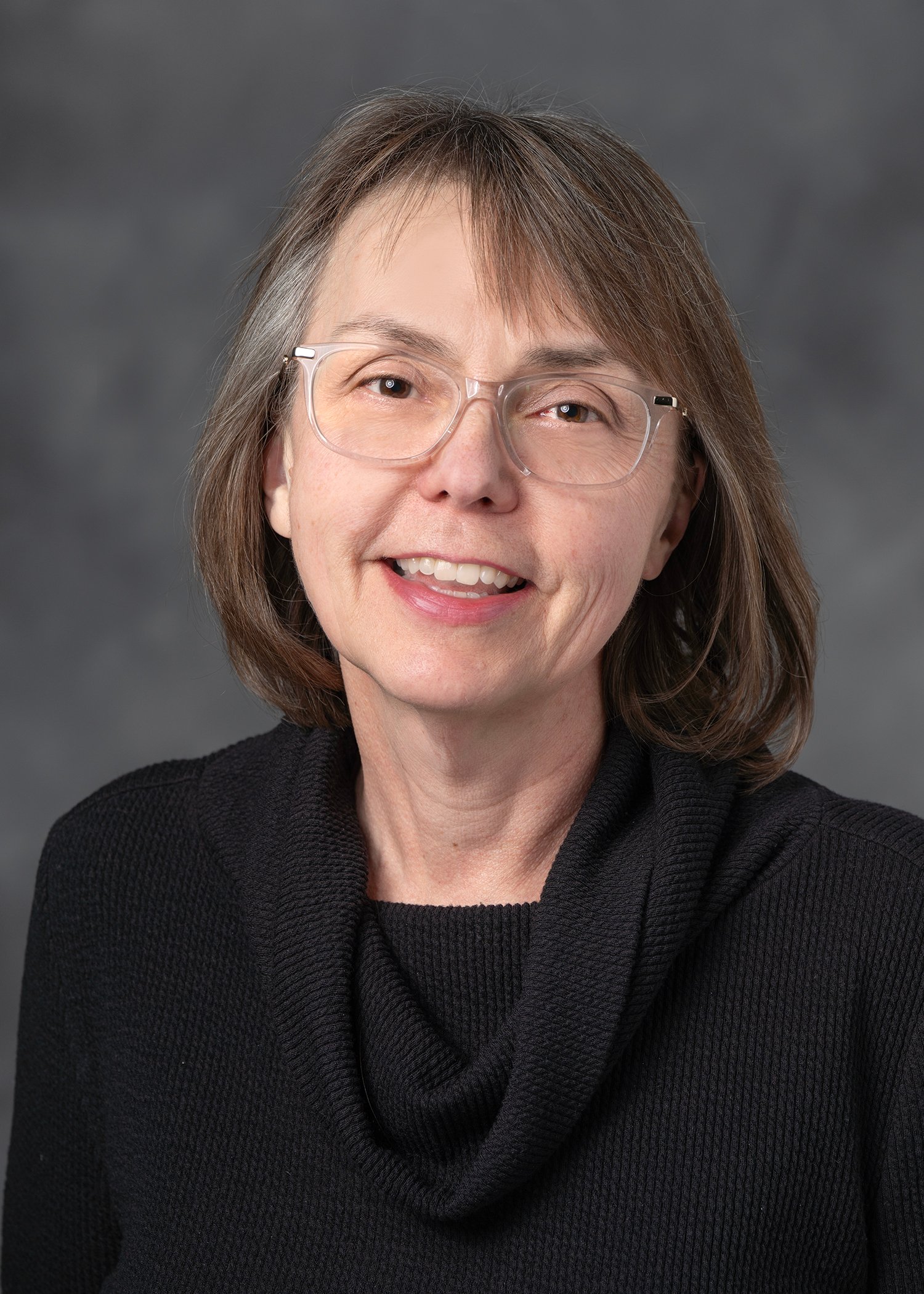
Ramandeep Rattan, Ph.D.
Henry Ford Health
Ramandeep Rattan, Ph.D., specializes in obstetrics and gynecology and research. She is also an associate professor in the MSU College of Human Medicine Department of Women’s Health Services. "The Rattan Lab" investigates the metabolic mechanisms that govern ovarian cancer biology and immune response. She earned a bachelor's degree in Clinical Laboratory Medicine from the Postgraduate Institute of Medical Education and Research (PGIMER) in Chandigarh, India, a master's degree in microbiology from the Central Research Institute (CRI) in Kasauli, India, and a Ph.D. in molecular and cellular pathobiology from the Medical University of South Carolina in Charleston, South Carolina. Prior to joining Henry Ford Health, she completed a postdoctoral fellowship in ovarian cancer at the Mayo Clinic in Rochester, Minnesota.
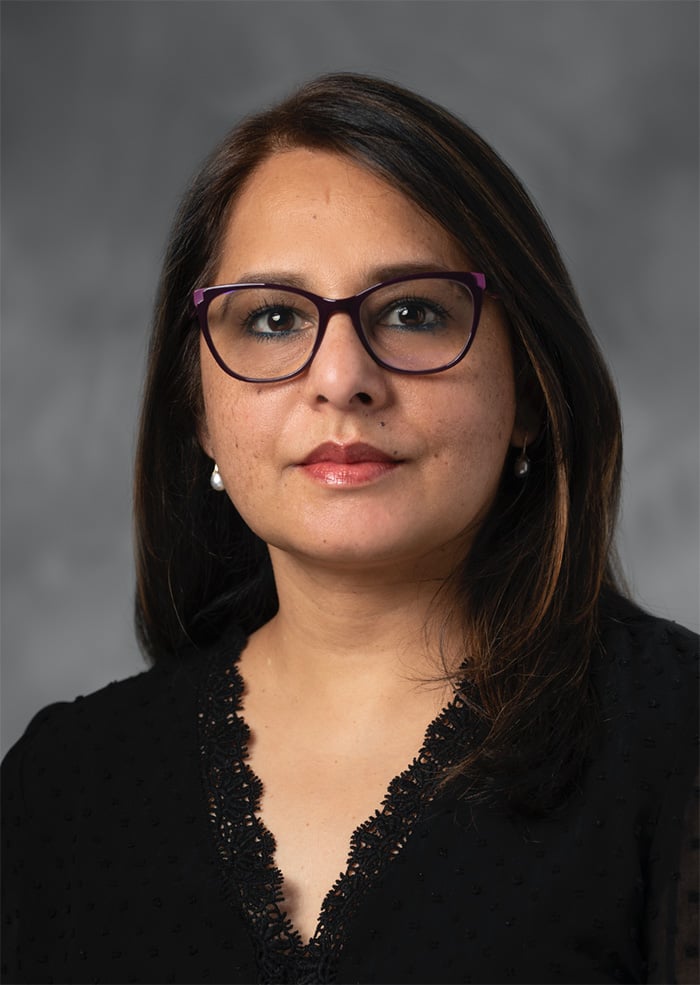
Benjamin Rybicki, Ph.D.
Henry Ford Health
Ben Rybicki, Ph.D., has served as the associate director of cancer research at Henry Ford since 2014, where he has led the Henry Ford Cancer Research Advisory Group’s strategic effort to develop cancer research at Henry Ford. Rybicki has also had several different leadership roles in the Henry Ford Department of Public Health Sciences, most recently serving as the vice chair of epidemiology. He is currently the site PI for the NCI-led Connect for Cancer Prevention Study. Rybicki holds a bachelor’s degree in cellular and molecular biology from the University of Michigan, a Master of Health Science degree in epidemiology and human genetics from Johns Hopkins University School of Public Health, and earned a Ph.D. in epidemiology from the University of Michigan.
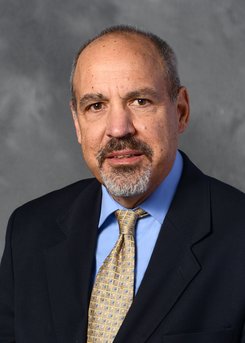
Jeffrey Searl, Ph.D.
Michigan State University
Jeff Searl, Ph.D., is a professor in the Department of Communicative Sciences and Disorders within the College of Communication Arts and Sciences. His research focuses on the impact of head and neck cancer on speech production. Searl received his Ph.D. from the University of Kansas. Prior to joining MSU, he served as faculty in the Hearing and Speech Department at the University of Kansas Medical Center, where he also held a joint appointment with the Otolaryngology – Head & Neck Surgery Department.
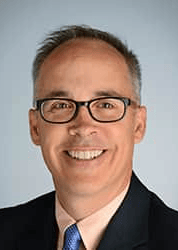
Terrie Taylor, D.O.
Michigan State University
Terrie Taylor, D.O., Michigan State University Foundation professor and University Distinguished professor of tropical medicine in the MSU College of Osteopathic Medicine, is an internationally recognized scientist and physician who has waged a 33-year battle against malaria, which she refers to as the “Voldemort of parasites.” She spends six months of every year in Malawi conducting malaria research and treating patients, the majority of whom are children. A passionate and dedicated educator, Taylor hosted 24 students per year at her own expense for six-week rotations at Queen Elizabeth Hospital in Blantyre, Malawi, teaching and mentoring them in groups of eight at a time. She also co-founded the Blantyre Malaria Project, becoming its director in 2000, to carry out research and patient care in the area of pediatric cerebral malaria.
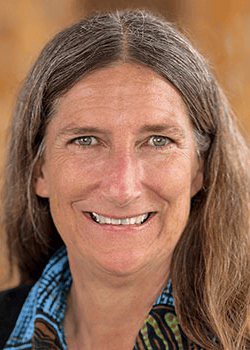
Gwen Wyatt, Ph.D., R.N.
Michigan State University
Gwen Wyatt, Ph.D., R.N., is a professor in the Michigan State University College of Nursing. Wyatt conducts outcomes research in cancer, specifically related to the safety and efficacy of complementary therapies. She received her M.A. in education from MSU, an R.N. from Henry Ford Hospital School of Nursing, and an M.S. in nursing from Wayne State University. She earned her Ph.D. in counseling and educational psychology from MSU. Dr. Wyatt has been recognized as a Fellow in the American Academy of Nursing (FAAN) and Fellow in the American Psychosocial Oncology Society (FAPOS).
Explore More of the Henry Ford + MSU Partnership