The Cancer Internal Advisory Board (IAB) provides strategic guidance for the Henry Ford + MSU Cancer Center, ensuring alignment with institutional goals and supporting progress toward NCI designation. The IAB also serves as a consultative body, offering insight to strengthen the cancer center’s research, clinical and community engagement initiatives.
Christine Neslund-Dudas, Ph.D.
Co-Chair | Henry Ford Health
Christine Neslund-Dudas, Ph.D., is an associate scientist in the Department of Public Health Sciences at Henry Ford Health and co-leader of the Cancer Epidemiology, Prevention and Control Program at the Henry Ford Cancer Institute. Her research focuses on reducing disparities in cancer and cancer care. For the past ten years, her work has primarily been in lung cancer screening. She was the Henry Ford Site-PI for the NCI-funded Population-based Research to Optimize the Screening Process (PROSPR) Consortium. She is currently an MPI of the Henry Ford + MSU recruitment hub for the NCI Cancer Screening Research Network, which conducts randomized controlled trials of new cancer screening technologies.

Charles Hong, M.D., Ph.D.
Co-Chair | Michigan State University
Charles Hong, M.D., Ph.D., is chair of the Department of Medicine and a foundation professor at Michigan State University College of Human Medicine. He is a pioneer in the field of chemical genetics of embryonic development. Hong elucidated the roles of PI3K in vein formation. His invention of dorsomorphin, the first small-molecule inhibitor of bone morphogenetic protein (BMP) signaling, has reshaped our understanding of this pathway in embryonic development and disease processes. Hong’s small molecules are now cornerstones of protocols for generating human neural tissues from pluripotent stem cells, driving advances in neurologic disease modeling. His latest work on the first extracellular proton-sensing receptor inhibitors has revealed a novel cancer survival pathway tied to the Warburg Effect, offering a promising strategy to selectively induce ferroptosis in glioblastoma and other cancers.
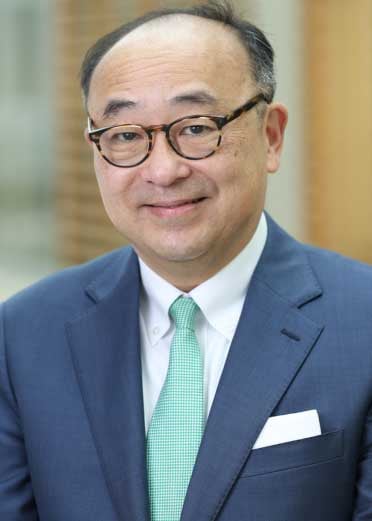
Angela Chia-Chen Chen, Ph.D.
Michigan State University
Angela Chia-Chen Chen, Ph.D., is a professor and the McLaren Greater Lansing Endowed chair for Behavioral Mental Health Nursing in Michigan State University’s College of Nursing. Her research focuses on developing and implementing technology-based interventions to address behaviors related to HPV vaccination for cancer prevention, as well as HIV/STI, substance abuse, and mental health issues among vulnerable populations, including ethnic minority and immigrant youth and young adults. She is also a board-certified psychiatric/mental health nurse practitioner and provides direct care to individuals with mental health and substance use concerns at MSU Health Care Family Medicine.
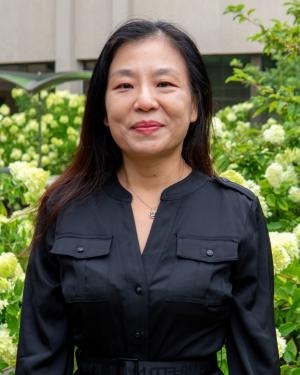
Dhananjay Chitale, M.D.
Henry Ford Health
Dhananjay (Dan) Chitale, M.D., is the system vice-chair of the Anatomic Pathology and Pathology Academic Program, division head of Molecular Pathology and Genomic Medicine, and medical director of the HFCI Tissue Biorepository & Immunohistochemistry Research Core at Henry Ford Health. He also serves as a clinical professor at Michigan State University and an associate clinical professor at Wayne State University. His research focuses on breast and prostate cancer, including epigenetic alterations and molecular diagnostics.
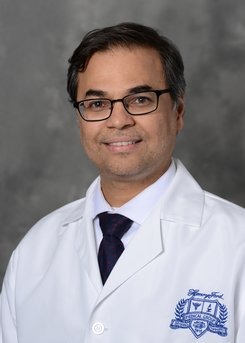
Howard Crawford, Ph.D.
Henry Ford Health
Howard Crawford, Ph.D., is a senior scientist in the Department of Pancreatic Cancer at Henry Ford Health. His expertise is in cellular plasticity in pancreatitis and pancreatic cancer using cutting-edge technologies, including single-cell sequencing, spatial transcriptomics, and spatial proteomics, applied to patient samples and genetically engineered mouse models.
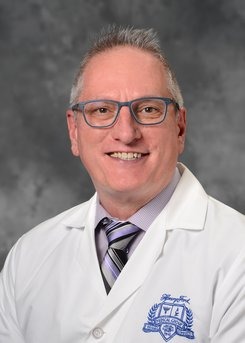
Joyce deJong, D.O.
Michigan State University
Joyce deJong, M.D., is dean of Michigan State University College of Osteopathic Medicine and professor in the Department of Radiology. A seasoned physician, deJong's career has been defined by her advocacy for public health initiatives and her dedication to improving medicolegal death investigation. deJong's leadership extends beyond academia, as evidenced by her groundbreaking tenure as president of the National Association of Medical Examiners (NAME), where she became the first osteopathic physician to hold this esteemed position.
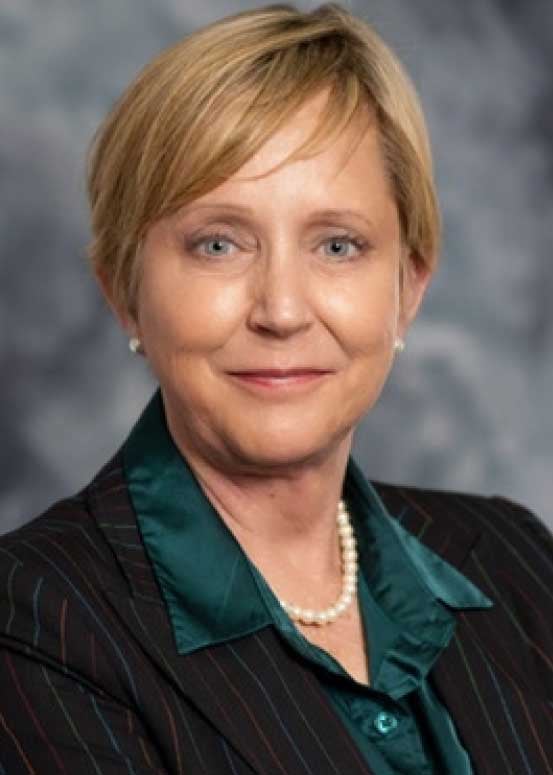
Douglas Gage, Ph.D.
Michigan State University
Douglas Gage, Ph.D., currently serves as the vice president for Research and Innovation at Michigan State University, where he oversees strategic initiatives and support for the university’s research enterprise. He is also a professor in the Department of Biochemistry and Molecular Biology. Gage's additional leadership roles include serving as co-chair of the research implementation work group of the MSU Strategic Plan 2030 and as research chair for the Henry Ford + MSU partnership. Along with fostering collaboration, excellence, and integrity in research, he continues to lead the Global Impact Initiative at MSU, an aggressive plan to recruit more than 100 faculty researchers in exciting new areas, including advanced physical science, precision health, plant resilience, artificial intelligence, and more.
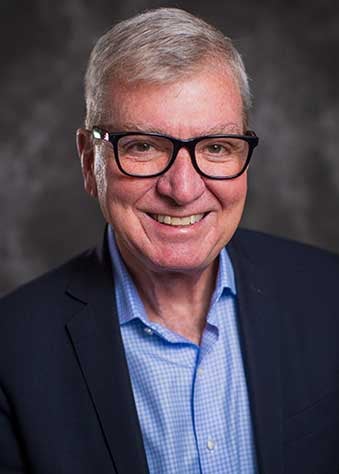
David Lanfear, M.D., MS,.
Henry Ford Health
David Lanfear, M.D., M.S., FHFSA, is chief scientific officer for Henry Ford Health and system vice president of research. In this role, he oversees all research infrastructure, compliance, external relationships and internal funding at Henry Ford and is co-chair of the Henry Ford + MSU Research Committee. He is also a practicing advanced heart failure and transplant cardiologist and clinician-scientist who co-directs the Center for Individualized and Genomic Medicine Research (CIGMR). His research focus is on precision medicine and genomics, with extensive experience in investigator-initiated and multicenter clinical trials in heart failure. He is nationally recognized in academic medicine, previously serving on the HFSA Board of Directors, the ACC Heart Failure and Transplant Committee, and currently on the AHA Genomics and Precision Medicine leadership committee, and chairing the HFSA Scientific Statements Committee.
.webp?h=244&iar=0&w=174)
Anna Moore, Ph.D.
Michigan State University
Anna Moore, Ph.D., is the associate dean for Research Development, director of the Precision Health Program, and professor in the departments of Radiology and Physiology at Michigan State University. Her work is aimed at developing image-guided therapies for metastatic cancer. Moore is a recipient of over $40 million in grant awards from the NIH and other funding agencies and published her work in the most prestigious journals including Nature, Nature Medicine, Nature Biotechnology, PNAS and others. She has served as a mentor for 80 trainees and has held multiple administrative leadership roles at local, national and international levels. Moore is the president-elect and a fellow of the World Molecular Imaging Society. She is a multiple entrepreneur and a co-founder of three companies, one of which is currently conducting clinical trials with image-guided RNA therapeutics in patients with solid cancers in multiple US locations.
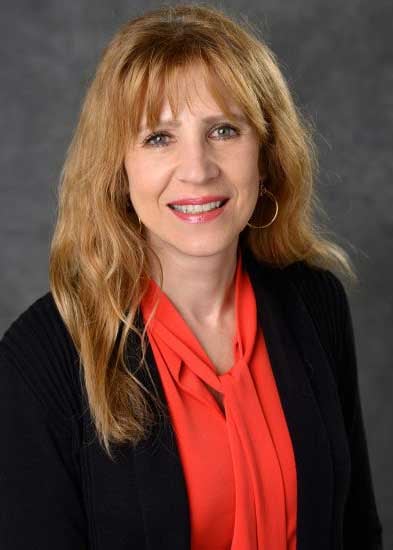
Thomas O’Halloran, Ph.D.
Michigan State University
Thomas O'Halloran, Ph.D., is an MSU Foundation professor in the Department of Microbiology and Molecular Genetics and the Department of Chemistry, and the director of the Elemental Health Institute (EHI). He studied the coordination chemistries and reactivities of platinum complexes related to the anti-cancer drug cisplatin. The EHI brings together researchers from the fields of chemistry, biology, physics, engineering, medicine, proteomics, nanobiotechnology, molecular therapeutics, and biological molecular imaging. Within EHI, he is the founder and faculty director to the Quantitative Bio Element Analysis and Mapping (QBEAM) Center.

Philip Philip, M.D.
Henry Ford Health
Philip Philip, M.D., is the interim chief of the Hematology and Oncology Department at Henry Ford Health. Among his many commitments, Philip is a co-leader of the Pancreas Cancer Program and currently chairs the GI Committee at SWOG. His major research interests are in the development of new therapies for gastrointestinal cancers with particular emphasis on pancreatic cancer.
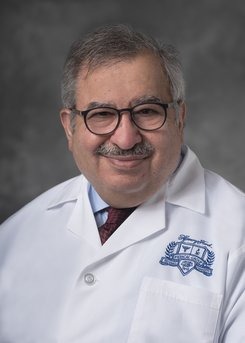
Eric Scher, M.D.
Henry Ford Health
Eric Scher, M.D., is the chair of the Department of Medicine and chief education officer for Henry Ford Health. As chief education officer, he is responsible for providing system-wide oversight for the education enterprise for Henry Ford Health. He has been involved in educational activities within the American College of Physicians (Master), the Association of Program Directors in Internal Medicine, the Association of American Medical Colleges, and the Accreditation Council of Graduate Medical Education. He is also a professor in the College of Human Medicine at Michigan State University and Clinical Professor of Medicine at Wayne State University School of Medicine.
.webp?h=244&iar=0&w=174)
Explore More of the Henry Ford + MSU Partnership